Understanding Crush On: The Psychology, Science, and Digital Age of Infatuation
Have you ever felt your heart race, your palms sweat, and your mind go blank when a certain person walks into the room? That fluttering feeling in your stomach, the constant urge to check your phone, and the way you replay every conversation in your head—these are all classic signs of having a Crush On someone. While the term “crush” is often associated with teenage butterflies, the phenomenon is far more complex and can occur at any age. In this article, we’ll dive deep into the psychology, neuroscience, and social dynamics of crushes, and explore how the digital age has transformed the way we experience and express these intense, fleeting attractions.
What Exactly Is a Crush?
A crush is an intense but often short-lived infatuation with someone, characterized by idealization, intense longing, and a strong desire for reciprocation. Unlike deep romantic love, which develops over time and is based on mutual understanding and shared experiences, a crush is typically based on a limited view of the person—often projecting our own fantasies and desires onto them. Crushes can range from a mild, passing interest to an all-consuming obsession that disrupts daily life.
Psychologists often distinguish between a crush and romantic love. A crush is usually more about the thrill of the chase and the excitement of possibility, whereas love involves a deeper, more stable connection. Crushes are often fueled by uncertainty and the unknown, which is why they can feel so electrifying. The very fact that we don’t know the person well allows our mind to fill in the gaps with idealized traits, making the crush seem almost perfect.
The Science Behind Crushes: Brain Chemistry and Evolution
From a neurological perspective, a crush is a cocktail of brain chemicals and hormones. When you have a crush, your brain releases dopamine, the neurotransmitter associated with pleasure and reward, and norepinephrine, which increases alertness and energy. This combination creates the euphoric, obsessive feeling that often accompanies infatuation. At the same time, serotonin levels drop, which can lead to obsessive thinking—similar to the patterns seen in obsessive-compulsive disorder.
Evolutionarily, crushes may have served an important purpose. They are a way for individuals to test the waters of potential romantic partnerships without committing too early. The intense focus on one person helps to narrow down choices and motivates us to pursue a potential mate. Even though modern dating is vastly different from our ancestral environment, these primal mechanisms still influence our behavior today.
The Role of Social Media and Technology
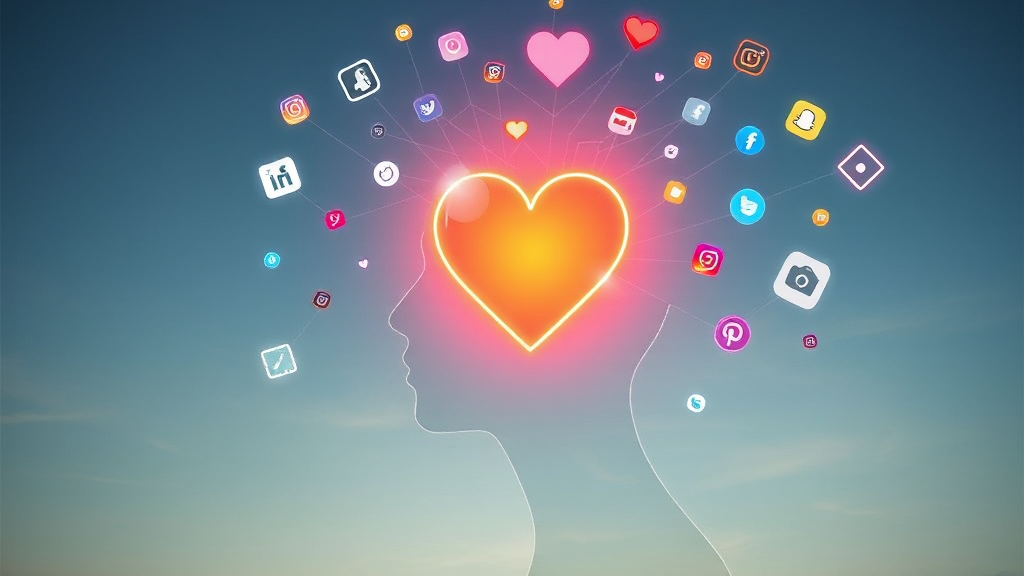
In the digital age, crushes have taken on a new dimension. Social media platforms, dating apps, and messaging services have changed how we meet, interact, and develop feelings for others. Now, you can have a crush on someone you’ve never met in person, or on a celebrity whose Instagram feed you follow religiously. The internet has made it easier to find people who share our interests, but it has also created new challenges.
One of the most significant changes is the ability to “lurk”—to silently observe someone’s life through their social media profiles. This can intensify a crush, as we see curated highlights of their life, which may not reflect reality. It also creates a false sense of intimacy, leading us to feel like we know the person when we really don’t. Additionally, the fear of rejection is amplified in the digital realm, as a simple “seen” notification without a reply can send us spiraling into anxiety.
On the other hand, technology has also provided new ways to express and act on crushes. Sending a direct message, liking a post, or even using reaction emojis are modern-day equivalents of passing a note in class. For those who are shy or introverted, digital communication can be a safer way to initiate contact. However, it’s important to remember that online interactions should eventually lead to real-world connections for a crush to develop into something more meaningful.
How to Handle a Crush: Healthy Approaches and Potential Pitfalls
Having a crush can be both exhilarating and stressful. It’s important to approach it in a healthy way, whether you decide to act on it or not. Here are some tips:
- Take it in stride: Remember that a crush is a normal human experience. Don’t beat yourself up for having these feelings, but also don’t let them control your life.
- Get to know the person: If possible, try to interact with your crush in a low-pressure setting. This can help you see if the real person matches your idealized version.
- Be mindful of boundaries: Respect the other person’s boundaries and be aware of social cues. If they seem uninterested, it’s best to back off.
- Set realistic expectations: A crush is often based on imagination. Be prepared for the possibility that the real person may not be what you expected, and that’s okay.
- Don’t neglect your own life: A crush can be all-consuming, but it’s important to maintain your own interests, friendships, and goals. Don’t put your life on hold for someone who may not even know you exist.
While crushes can be fun, they can also become problematic if they turn into obsession. If you find yourself constantly checking their social media, feeling jealous, or planning your future around them, it may be a sign that you need to step back and focus on yourself. In extreme cases, a crush can become limerence—an involuntary state of intense romantic desire that can interfere with daily functioning. If this sounds like you, consider talking to a therapist or counselor.
The Connection Between Crushes and Self-Discovery
Interestingly, crushes can also be a pathway to self-discovery. The people we develop crushes on often reflect aspects of ourselves that we admire or desire. For example, if you have a crush on someone who is outgoing and adventurous, it might be because you want to be more like that. Similarly, a crush on someone who is artistic and creative could indicate a suppressed desire to explore your own creative side.
By examining our crushes, we can learn more about our own values, needs, and desires. This can be a valuable tool for personal growth. Instead of seeing a crush as just a romantic interest, consider it as a mirror that reveals what you truly want in a partner and in life. This self-awareness can guide you in making better relationship choices in the future.
When a Crush Turns into Love
Sometimes, a crush can evolve into a deep, lasting love. This happens when the initial infatuation gives way to a more realistic understanding of the person, and you find that you genuinely care for them beyond the surface level. The transition from crush to love requires time, communication, and mutual effort. It’s not something that happens overnight, and it often involves overcoming the idealization that defined the early stages.
If you’re lucky enough to have your crush develop into a relationship, cherish it. But also be prepared for the fact that not all crushes are meant to be. Sometimes, a crush is simply a fleeting moment of connection that teaches us something about ourselves and what we want. And that’s perfectly okay.
Frequently Asked Questions About Crushes
Is it normal to have a crush while in a relationship?
Yes, it’s surprisingly common. Having a crush on someone else while in a committed relationship doesn’t necessarily mean you’re unhappy or that your relationship is in trouble. It’s a natural human tendency to be attracted to others. The key is to recognize the crush for what it is—a passing infatuation—and not let it undermine your commitment. If you find that the crush is persistent and causing distress, it may be worth examining your relationship or talking to a professional.
How long does a crush typically last?
There’s no set timeline, but research suggests that a crush can last anywhere from a few weeks to several months. The intensity usually fades as you get to know the person better or as the uncertainty decreases. If a crush persists for years without any progression, it may have evolved into something more like limerence or unrequited love.
Can a crush be just a physical attraction?
Absolutely. Many crushes are primarily based on physical attraction. However, a crush can also be based on intellectual, emotional, or social attraction. Often, it’s a combination of factors. The key is to be honest with yourself about what you’re feeling and why.
Should I tell my crush how I feel?
That depends on the situation. If you’re single and have a good relationship with the person, it might be worth expressing your feelings. However, be prepared for any outcome—including rejection. If you’re in a relationship or if the person is a close friend or colleague, it might be better to let the crush fade naturally. Trust your instincts and consider the potential consequences before making a move.
Conclusion
Crushes are a universal human experience, blending excitement, vulnerability, and a touch of madness. Whether you’re in the midst of a crush right now or looking back on past ones, understanding the psychology and science behind them can help you navigate these intense feelings with greater clarity. In our digital age, crushes have become both easier and more complicated to handle, but they remain a testament to our capacity for imagination and connection. So the next time you find yourself thinking about that special someone, remember that it’s all part of being human—and maybe, just maybe, it’s a sign of something wonderful to come.